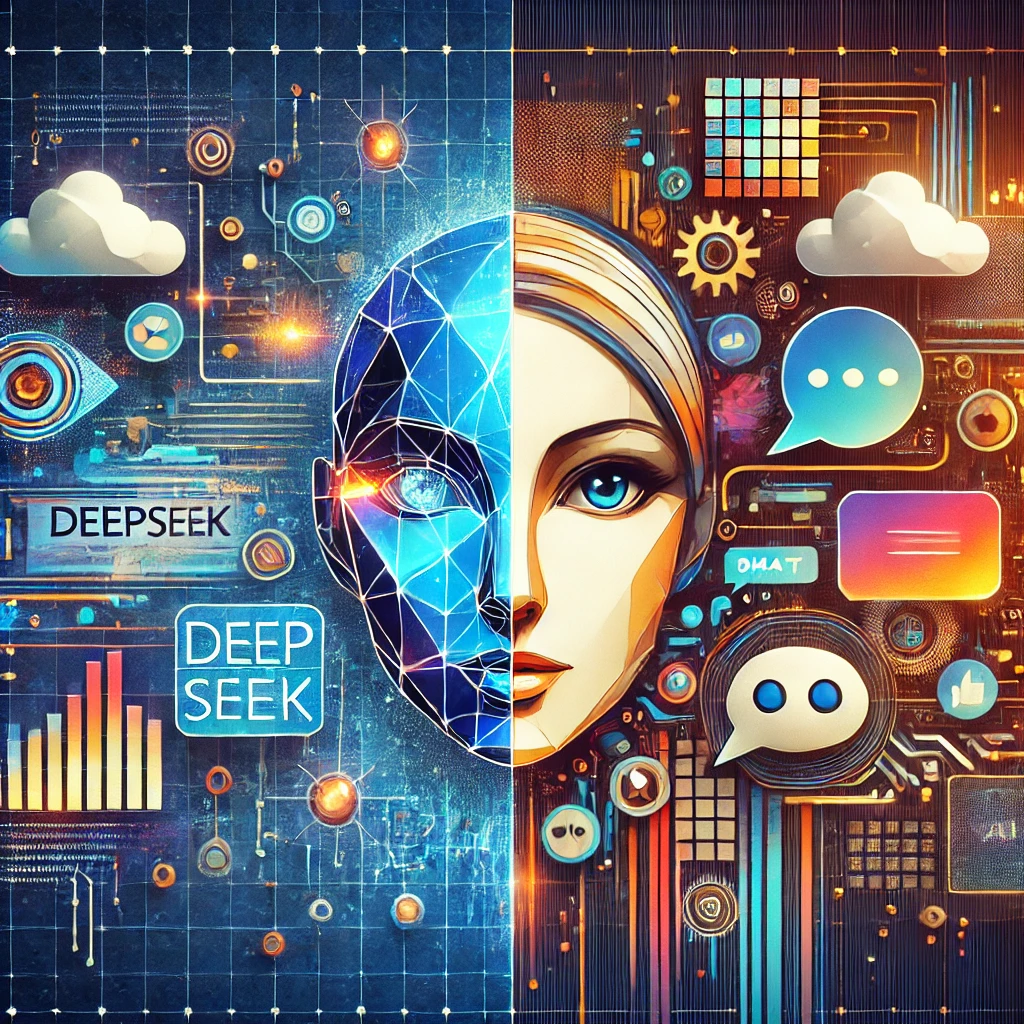
Artificial Intelligence-based Business Automation of small and medium businesses.
Artificial Intelligence (AI) is no longer a luxury that is enjoyed by big companies with huge budgets. By 2026, AI-based business automation is going to be among the most effective growth solutions on the list of small and medium enterprises (SMEs). Ranging between simplifying day-to-day activities to enhancing customer service and making decisions, AI is assisting smaller businesses to compete at the levels that previously seemed to be unimaginable.
The importance of AI Automation to SMEs
Small and medium enterprises are characterized by weak resources, constrained budgets, and small staffs. With AI-based business automation, these problems can be solved by minimizing manual labor, errors, and allowing workers to concentrate on more valuable work. SMEs no longer need to employ many workers; they can now depend on smart systems to assist them in managing the repetitive tasks like the entry of data, scheduling, customer care, and inventory management.
Scalability is also associated with AI automation. With a growing business, AI systems can work with larger workloads without the need to incur significant extra costs, thereby sustaining and predicting growth.
Major Areas of AI in SMEs Transformation.
- Customer care and Response.
One of the most commonly used automation tools is the AI-power chatbots and virtual assistants. They are able to answer customer questions 24 hrs, address frequently asked questions, make appointments and delegate difficult questions to human agents. This does not only help in saving the response times but also helps in increasing customer satisfaction and decreasing the support cost.
- Sales and Marketing Automation.
Artificial intelligence enables SMEs to examine how their customers behave, forecast their purchasing trends, and customize marketing efforts. Email marketing can be automated, content can be generated by AI and predictive lead scoring enables businesses to target the right audience and at the right time. These systems make the most out of marketing expenses and improve the conversion rates without having to employ big marketing departments.
- Financial Management and Accounting.
The AI-powered accounting software will be able to automatically sort expenses, create invoices, monitor the cash flow, and notice any anomalies or possible fraud. In the case of SMEs, this will decrease reliance on manual accounting and limit expensive accounting errors. Financial insights in real-time also allow making decisions and planning better and further ahead.
- Human resource and Workforce management.
AI is being used to automate recruitment, onboarding as well as employee performance tracking. Minimal human involvement is possible in resumes screening, scheduling of interviews, and even payroll processing. The employee engagement and productivity can also be analyzed through AI and assist the managers in making decisions about the workforce.
- Supply Chain Optimization and Inventory.
In the case of retail and manufacturing SMEs, AI has become significant in inventory prediction and management of a supply chain. Artificial intelligence is able to forecast demand patterns, maximize inventory, and minimize wastes. This will result in improved cash flow management and availability of the products whenever the customers require them.
Advantages of AI Automation to the Small Business.
Cost efficiency is one of the largest benefits of AI automation. SMEs will be able to save on the cost of operations and continue offering high-quality services because the automation of routine tasks will allow saving a considerable amount of money. Accuracy and consistency are other key areas of AI that enhance efficiency in the field of finance, logistics, and customer support.
The other important advantage is the use of data to make decisions. The large amount of data analyzed by AI tools can be analyzed fast and gives practical insights, which would be hard to extract manually. This will help the business owners to respond to changes in the market and customer needs more quickly.
Challenges and Take into Account.
Although there are advantages to the use of AI, there are challenges associated with it. The issue of data privacy and cybersecurity is also of the highest priority, particularly in the case of SMEs that work with sensitive data pertaining to customers. It is necessary to select trustworthy AI tools and adhere to data protection policies.
There is the learning curve as well. The owners and employees of the business might require education to process the AI systems to their full capacity. The current generation of AI products is however designed in such a way that it can be operated easily, with little technical knowledge.
Another issue can be cost, yet due to the increasing accessibility of subscription-based and scalable AI tools, automation has never been as accessible as it is today.
Automation Future, AI and SME.
In the future, AI automation will keep on advancing, making it cheaper, user-friendly and part of normal business processes. By applying AI as early as possible, SMEs can have a competitive edge since they will be more efficient and faster in responding to customers and their decisions will be smarter.
Automation powered by AI is not only a technological update in a fast-evolving business world, but also a strategic requirement. SMEs that are open to such change are placing themselves to grow long term, survive, and thrive in the digital economy.








Post Comment